
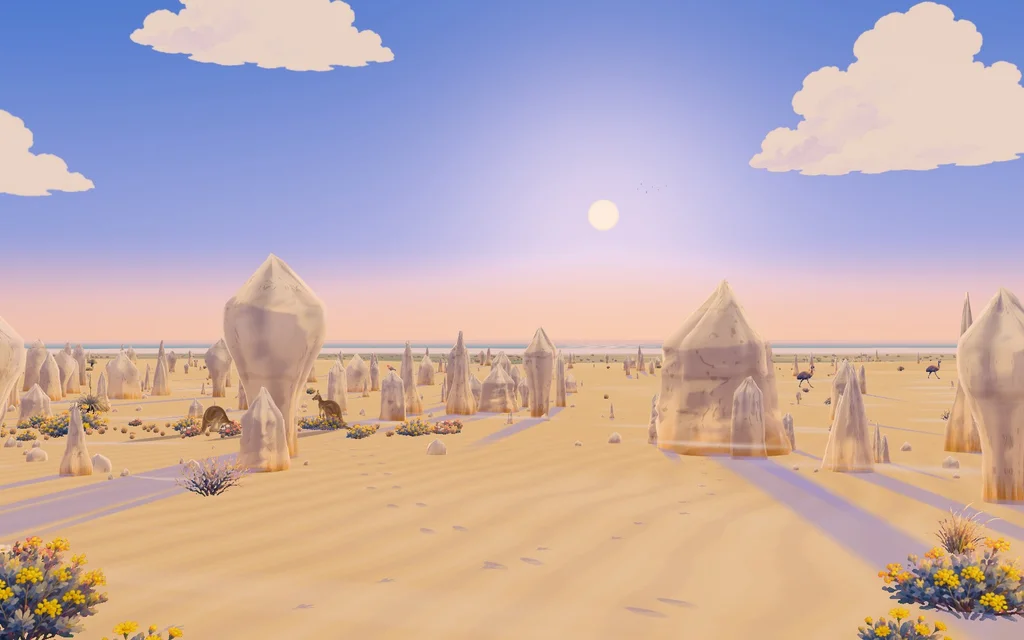
Australia · Nambung National ParkLong Shadows at the Pinnacles
Thousands of limestone pillars stand in golden sand, and each one throws a long shadow as the sun drops into the Indian Ocean.
What you’ll hear
- Wind over sand
- Australian magpies
- Night insects
In the 3D scene you can change the time, season and weather, or follow the local time.
About this place
The Pinnacles stand in Nambung National Park in Western Australia, about two hours’ drive north of Perth beside the fishing town of Cervantes. The park was formed in 1994 from three reserves and covers about 190 km²; the pinnacle field itself is only some 190 hectares of it. The pillars are Tamala Limestone: long ago, shell fragments from the shore were blown into dunes and cemented by rain into rock, and when the sand above was carried off by the wind the harder parts were left standing, the tallest three or four metres high. It looks like a desert, but the sea is only a few kilometres away, rain comes in winter, and low coastal heath grows all around.
The Yued people are the traditional owners of this country. Western grey kangaroos live in the surrounding heath and come out at dawn and dusk to graze where grass grows at the edge of the pinnacles; emus walk between the pillars and galahs pass overhead in flocks. The scene stands among the pinnacles looking west. Behind the pillars on the left is a kangaroo family: the mother moves to a new patch every so often and the joey follows. Two emus pace in the distance. Beyond the field lie grey-green heath, a line of white dunes and a thread of sea. In spring the heath is yellow with flowers, and when the wind rises the sand streams along the ground; on moonless nights the Milky Way sinks toward the sea in the west in the small hours. There are no people here, no cars, and no roads.
Through the year
Both rows are sketches of the general pattern (wet winters, dry summers, flowers from late winter into spring), not station or flowering records.
Month by month
- JanuaryHigh summer: dry and hot, sunset around half past seven
- FebruaryThe hottest part of the year
- MarchThe heat begins to ease
- AprilAutumn; the first rains
- MayThe wet season begins and the heath greens
- JuneThe wettest month
- JulyWinter: cool, with rain coming in off the sea
- AugustThe rain eases and the first flowers open
- SeptemberSpring; wildflowers at their peak
- OctoberStill in flower, and warming
- NovemberDrying out; the flowers are over
- DecemberEarly summer; strong sea breezes
Four seasons
September · Spring
The heath is yellow with flowers and the grass among the pinnacles is green: the most colourful time of the year.
January · Summer
Dry and hot, the flowers gone and the heath grey; the sun sets late and the kangaroos rest through midday.
April · Autumn
The heat has gone and the air is clear; the first rains have not yet greened the heath.
July · Winter
Cool, with rain off the sea darkening the sand; the sun stays low and the kangaroos feed all day.
Best moments
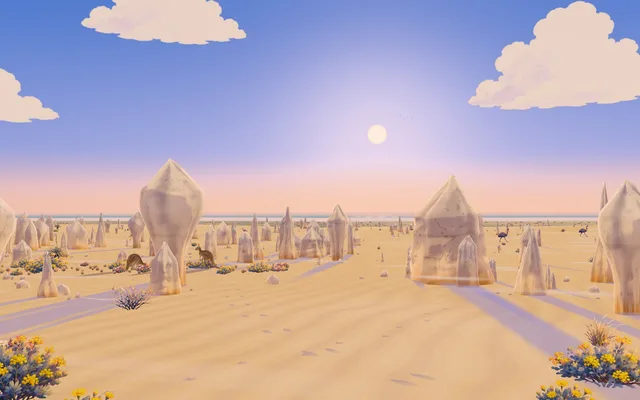
Long shadows in spring
Sep 18 · 17:35 · Clear
A September evening: the sun over the sea straight ahead, every pillar reaching its shadow to your feet, the heath in yellow flower.
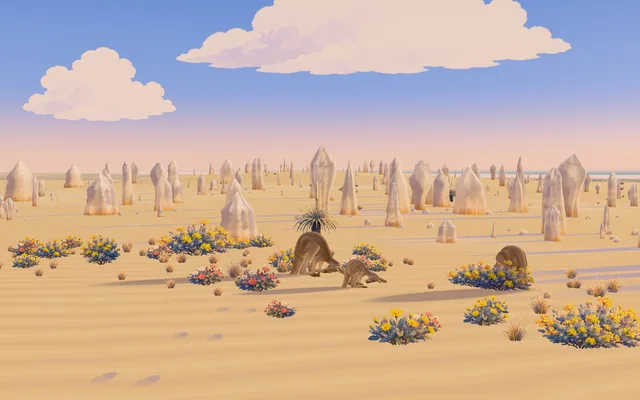
The kangaroo family
Sep 18 · 17:10 · Clear · The kangaroo family
A few steps closer: the mother grazing head down, the joey beside her, another standing up to look around.
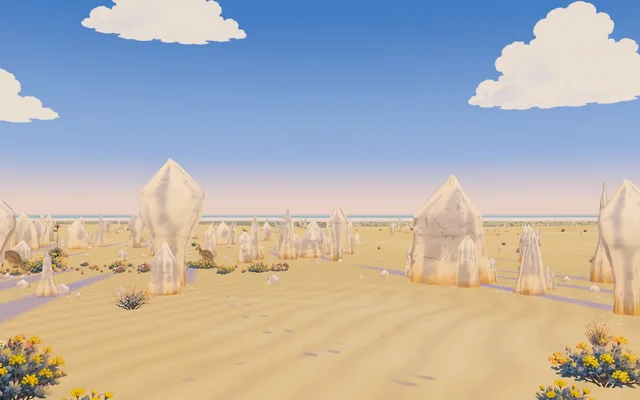
Early morning
Sep 18 · 07:10 · Clear
The sun comes up behind you, the pillars are lit face-on, and the sea is blue.
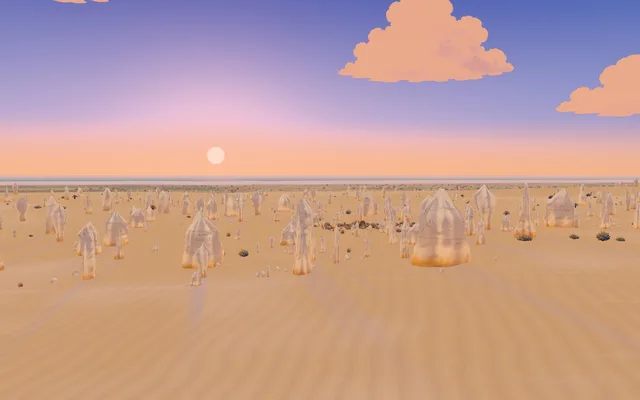
Sunset
Sep 18 · 18:02 · Clear · From the dune
The sun touches the sea; sand and stone turn gold and the clouds burn orange.
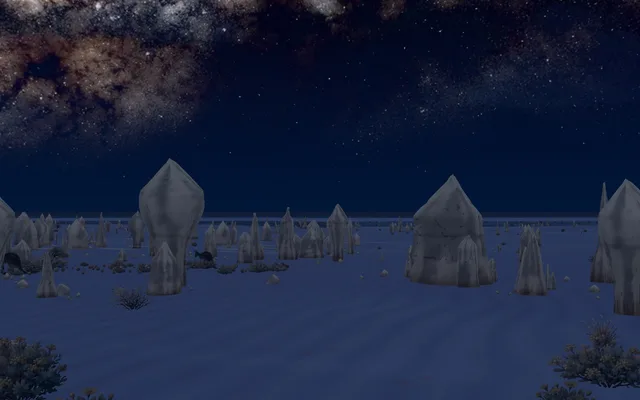
The Milky Way going down
Sep 12 · 00:20 · Clear
The small hours of a moonless September night: the heart of the Milky Way sinking toward the sea, the pinnacles only outlines under starlight.
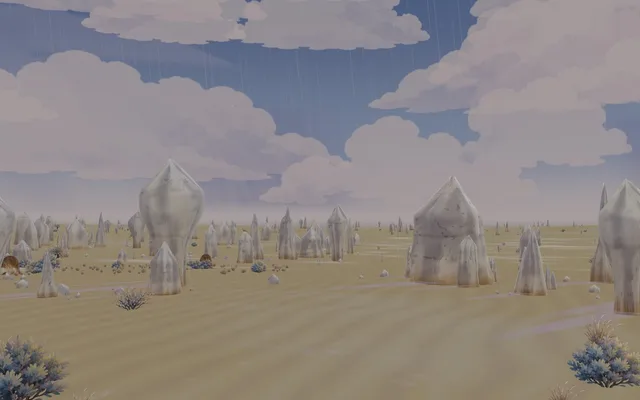
Winter rain
Jul 10 · 15:00 · Rain
A July afternoon: rain comes in off the sea and the wet sand turns a shade darker.
The viewpoint and the arrangement and shapes of the pillars are an artistic re-creation, not an exact spot in the field; the real Pinnacles have a walking trail and a loop drive, which are left out. The sea is drawn closer than it is so that it can be seen. The animals’ routines are simulated, and the galahs are drawn larger than life. Temperatures, rainfall and flowering are estimated from published climate summaries, not from a weather station.
In the 3D scene you can change the time, season and weather, or follow the local time.
Enter sceneMore to explore
See all places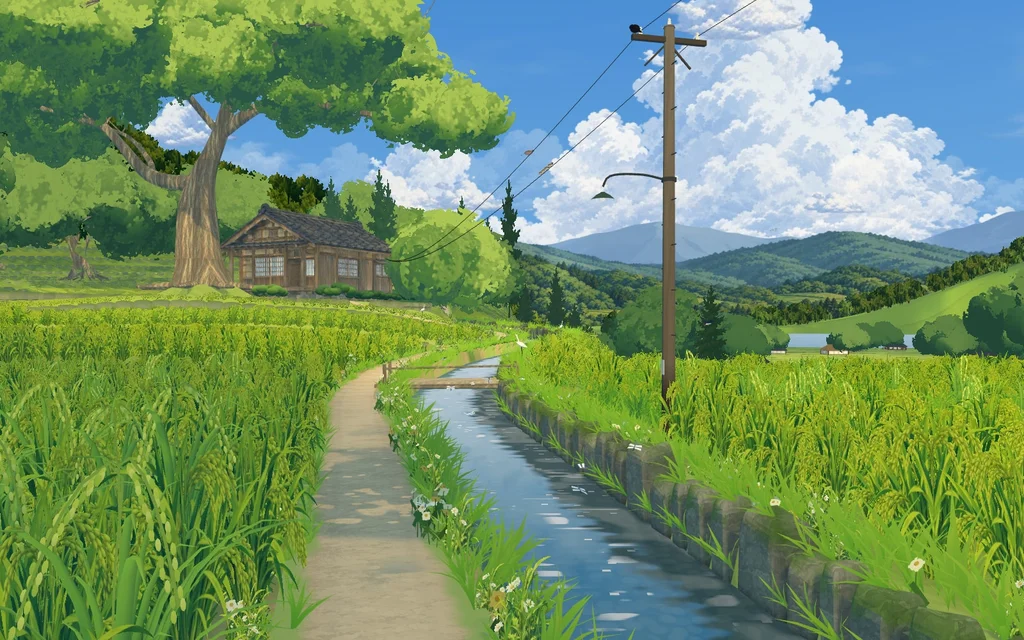
Summer Fields
Japan · Sayama Hills
Rest in the shade as a stream flows through summer.
130 mStreamField breezeCicadas
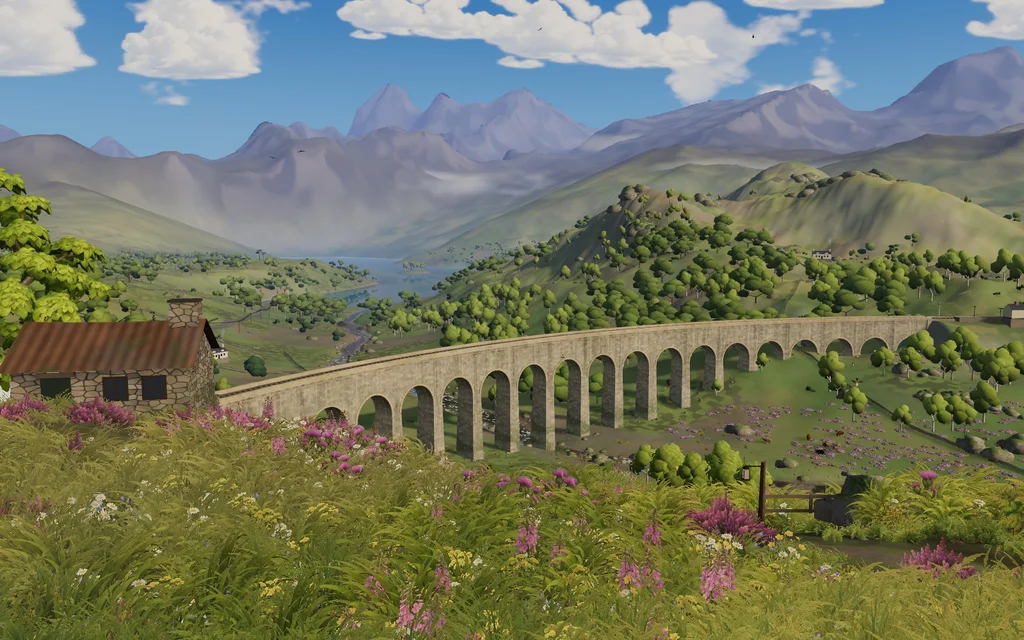
Highland Railway
Scotland · Glenfinnan
A train crosses the viaduct above wind-swept heather.
60 mHighland breezeStreamTrain
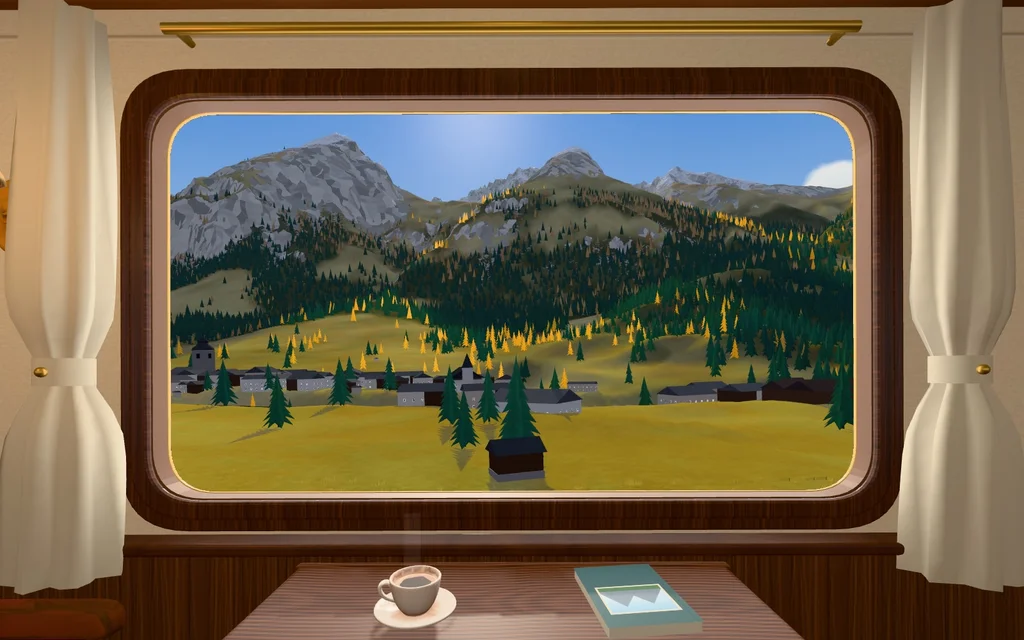
Valley Train Window
Switzerland · Albula Railway
Sit by the window as the train spirals up the valley.
1,372–1,789 mRail rhythmRiver outsideCowbells